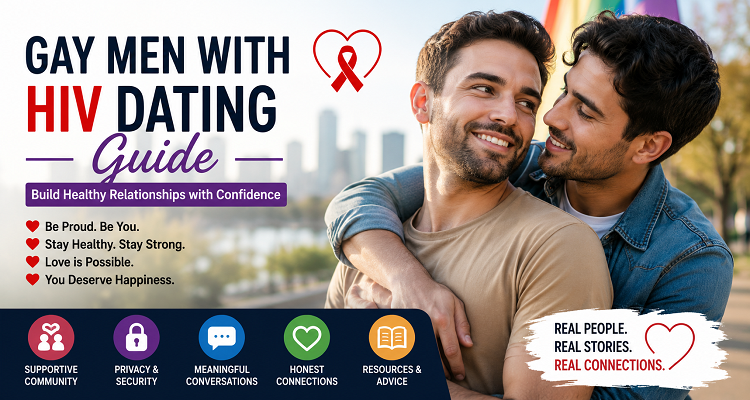
Gay Men with HIV Dating Guide: Build Healthy Relationships with Confidence
Living with HIV does not define who you are or limit your ability to find love, companionship, or meaningful relationships. Thanks to advances in HIV treatment and greater public awareness, many gay men living with HIV enjoy healthy, fulfilling lives and build lasting relationships with partners who value honesty, trust, and mutual respect.
While dating with HIV can still present challenges such as stigma, disclosure, and self-confidence, it has become much easier to connect with understanding people through dedicated HIV dating communities. This guide offers practical advice for dating, improving self-confidence, communicating openly, and finding supportive relationships while living with HIV.
Living Well with HIV
Modern antiretroviral therapy (ART) has transformed HIV into a manageable long-term health condition for many people. When taken consistently, ART helps many individuals achieve an undetectable viral load. Scientific evidence supports the principle of Undetectable = Untransmittable (U=U), meaning people who maintain an undetectable viral load do not sexually transmit HIV through sex.
This medical breakthrough has helped many people approach dating with greater confidence while continuing to enjoy successful careers, travel, friendships, and family life.
Although HIV treatment has advanced significantly, emotional health and self-confidence remain important parts of building healthy relationships.
Common Dating Challenges
Every person’s experience is different, but many gay men living with HIV share similar concerns.
Fear of Rejection
Many people worry about how a potential partner may respond after learning about their HIV status. Although rejection is possible in any relationship, growing public awareness and education continue to reduce misconceptions about HIV.
Deciding When to Disclose
Disclosure is a personal decision. Many people choose to discuss their HIV status after developing trust but before becoming sexually intimate. Honest communication creates stronger relationships built on openness and respect.
Internalized Stigma
Some individuals continue to experience shame or self-doubt after diagnosis. It is important to remember that HIV is a medical condition and never defines your character, personality, or future.
Meeting People Who Understand
Mainstream dating apps work well for some individuals, while others feel more comfortable joining HIV-focused communities where members already understand HIV and the experiences that come with it.
Why HIV Dating Communities Help
Dedicated HIV dating platforms provide a welcoming environment where members can meet others without worrying about immediate judgment or misunderstanding.
Some of the advantages include:
Less Stress Around Disclosure
Because many members share similar experiences, conversations often feel more relaxed and comfortable.
A Supportive Community
Many HIV dating platforms offer educational resources, discussion forums, relationship advice, wellness articles, and peer support in addition to dating features.
Meaningful Connections
Members join for different reasons, including friendship, dating, companionship, emotional support, and long-term relationships.
Better Privacy
Established HIV dating platforms provide privacy settings, profile controls, and secure messaging that allow members to decide when and how to share personal information.
Why Many Gay Men Choose PositiveSingles
PositiveSingles has supported people living with HIV, herpes, HPV, hepatitis, and other sexually transmitted infections since 2001. With millions of members around the world, it has become one of the most trusted communities for people looking to build relationships after diagnosis.
PositiveSingles welcomes LGBTQ+ members and offers a respectful environment where individuals can connect openly and confidently.
Members can:
- Create private profiles
- Browse member profiles
- Exchange secure messages
- Read dating advice
- Learn from educational articles
- Participate in community discussions
- Connect with people who understand life with HIV
Whether you want friendship, casual dating, or a long-term relationship, PositiveSingles provides a welcoming community built on honesty, understanding, and mutual respect.
Build Confidence Before You Date
Healthy relationships begin with confidence in yourself.
Accept Your Diagnosis
HIV is only one part of your life. It does not determine your future or your ability to build meaningful relationships.
Recognize Your Strengths
Your personality, values, interests, kindness, humor, and life experiences are far more important than your HIV status.
Stay Committed to Your Health
Taking ART consistently, attending medical appointments, and maintaining an undetectable viral load support both physical health and emotional confidence.
Care for Your Mental Health
If anxiety, depression, or stress becomes difficult to manage, talking with a mental health professional or joining a support group can be extremely helpful.
Communicate Openly
Successful relationships depend on honest communication.
As you get to know someone:
- Ask thoughtful questions.
- Listen carefully.
- Show genuine interest.
- Build trust gradually.
- Respect personal boundaries.
Meaningful conversations help create emotional connections that extend beyond HIV.
Talking About HIV
Many people worry that discussing HIV will end a promising relationship.
In reality, honest communication often builds stronger trust.
When you decide to disclose your HIV status:
Choose a private setting where both of you can talk comfortably.
Speak confidently and honestly.
Share accurate information about your health, treatment, and viral load if you feel comfortable.
Allow your partner time to ask questions.
Remember that disclosure is about sharing important health information, not asking for forgiveness.
Healthy Relationships Require Respect
Strong relationships are built on:
- Trust
- Respect
- Communication
- Emotional support
- Shared values
- Healthy boundaries
Whether your partner is HIV-positive or HIV-negative, mutual understanding creates stronger and healthier relationships.
Practice Safer Sex
Maintaining sexual health benefits both partners.
Talk with your healthcare provider about:
- HIV treatment
- U=U
- Routine STI testing
- PrEP for HIV-negative partners when appropriate
- Condom use
- Sexual wellness
Accurate information allows couples to make informed decisions together.
Handling Rejection
Every person experiences rejection at some point.
Not every relationship develops into a lasting partnership, and rejection is not always related to HIV.
Instead of becoming discouraged:
- Learn from each experience.
- Continue building confidence.
- Focus on people who appreciate you.
- Remember that lasting relationships are built on mutual respect and shared values.
Someone who truly values you will appreciate your honesty, compassion, and authenticity.
Find Community Beyond Dating
Dating is only one part of living well with HIV.
Many gay men also benefit from participating in:
- LGBTQ+ organizations
- HIV support groups
- Volunteer activities
- Community events
- Fitness programs
- Pride celebrations
- Online support communities
Strong friendships and social support improve emotional health while reducing feelings of isolation.
Practice Daily Self-Care
Healthy habits contribute to greater confidence and better relationships.
Try to:
- Exercise regularly.
- Eat nutritious meals.
- Sleep seven to nine hours each night.
- Drink plenty of water.
- Practice mindfulness or meditation.
- Spend time outdoors.
- Continue hobbies you enjoy.
- Attend regular medical appointments.
Looking after yourself helps you feel more confident while improving both physical and emotional well-being.
Frequently Asked Questions
Can gay men living with HIV have healthy relationships?
Yes. With effective HIV treatment, regular healthcare, honest communication, and mutual respect, people living with HIV can enjoy healthy and fulfilling relationships.
When should I disclose my HIV status?
Disclosure is a personal decision. Many people choose to have the conversation after trust has developed but before sexual activity. Always follow any legal disclosure requirements where you live.
What does U=U mean?
U=U stands for Undetectable = Untransmittable. Scientific evidence shows that people who maintain an undetectable viral load through consistent HIV treatment do not sexually transmit HIV through sex.
Are HIV dating sites private?
Reputable HIV dating platforms provide profile privacy controls, secure messaging, and moderation to help protect members’ personal information.
Is PositiveSingles LGBTQ+ friendly?
Yes. PositiveSingles welcomes LGBTQ+ members and provides an inclusive environment where people living with HIV and other STIs can build friendships and relationships.
Final Thoughts
Dating as a gay man living with HIV may seem challenging at first, but meaningful relationships are entirely possible. Modern HIV treatment has transformed long-term health outcomes, while dedicated HIV dating communities have made it easier to meet people who understand your experiences.
Your HIV status is only one chapter of your life. Your values, personality, kindness, goals, and experiences define who you are.
If you are ready to meet people in a supportive environment, PositiveSingles offers a trusted community where honesty, respect, and meaningful relationships come first.