Last Updated October 2026
Dating as a gay man living with HIV can bring questions about disclosure, privacy, rejection, and finding a partner who understands your experiences. However, HIV does not define your personality, attractiveness, or ability to build a loving relationship. You deserve respect, intimacy, and the opportunity to find someone who appreciates you for who you are.
With appropriate treatment and accurate information, people living with HIV can enjoy fulfilling relationships and satisfying sexual lives. Whether you are returning to dating after a diagnosis or hoping to build a long-term partnership, understanding disclosure, overcoming stigma, and choosing supportive dating environments can help you approach relationships with greater confidence.
Understanding Dating as a Gay Man With HIV
HIV-related stigma can make dating emotionally challenging. You might worry about rejection, discrimination, or someone sharing your private health information without permission. These concerns are understandable, but they do not mean every dating experience will be negative.
The Centers for Disease Control and Prevention (CDC) explains that HIV stigma can affect emotional well-being and create barriers to support. Read the CDC’s HIV stigma resources for more information.
Remember that your diagnosis is only one part of your life. Your interests, values, humor, ambitions, and communication style also matter in a relationship.
Take time to understand your dating preferences. You might want a committed relationship, casual dating, companionship, or friendship. Being clear about your expectations can help you connect with people who want similar things.
Overcoming HIV Stigma in Gay Dating
Build Confidence Beyond Your Diagnosis
When creating a dating profile, focus on the qualities that make you unique. Share your hobbies, favorite music, travel interests, career ambitions, or preferred weekend activities. These details help potential matches understand your personality and provide natural conversation starters.
You do not need to make HIV the central feature of your introduction. Instead, create a balanced profile that reflects your everyday life, interests, and relationship goals.
Honest communication about your HIV status and relevant sexual-health considerations is important before sexual intimacy, allowing both partners to make informed decisions.
Choose a Supportive Dating Environment
General dating platforms can introduce you to a broad range of people, while HIV-focused communities may make conversations about shared experiences easier to begin.
PositiveSingles is one option for people affected by HIV and other sexually transmitted infections who want to explore dating and relationships. Before joining any platform, review its current privacy settings, membership options, and communication features.
Choose an environment where you feel comfortable expressing your preferences, setting boundaries, and getting to know potential partners at your own pace.
How to Tell a Dating Partner You Have HIV
Disclosing your HIV status can feel intimidating, especially when you like someone and worry about their reaction. There is no single script that works for everyone, but a calm and honest conversation can help build trust.
Choose a Comfortable Time
Consider talking in a private setting when both people have enough time to communicate without pressure. You do not need to share your entire medical history in an opening message.
Before sexual intimacy, discuss HIV status and relevant sexual-health considerations. Disclosure laws vary by location, so check local guidance if you are uncertain about your legal obligations.
Keep the Conversation Honest
You might say, “I enjoy getting to know you, and I want to be open about something important to my health. I live with HIV, and I’m happy to answer questions about what that means for my health and our relationship.”
Give the other person time to process the information. If they have questions, reliable health resources can help clarify misconceptions.
Handle Rejection With Self-Respect
Some people may respond with understanding, while others may need time to learn about HIV. If someone reacts with insults or discrimination, remember that their response does not determine your worth.
You can end conversations that make you feel unsafe and talk with trusted friends, counselors, or healthcare professionals for support.
For additional guidance, read HIV.gov’s information about discussing your HIV status.
Understanding U=U and Sexual Health
One important development in HIV care is Undetectable Equals Untransmittable, commonly known as U=U.
According to the CDC, a person living with HIV who takes treatment and maintains an undetectable viral load has zero risk of transmitting HIV to a sexual partner. This evidence-based principle can help couples approach intimacy with greater confidence.
Read the CDC’s U=U guidance for more information.
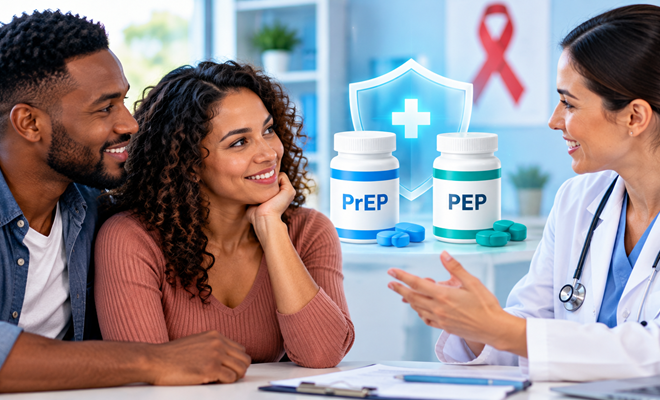
Work with your healthcare provider to monitor your viral load and maintain your treatment plan. Partners can also discuss testing for other sexually transmitted infections, condom use, and prevention options when relevant. PrEP may be appropriate for partners who do not have HIV, depending on their circumstances.
Accurate information helps replace fear with informed decisions. Consult a qualified healthcare professional for individual medical advice.
Finding Meaningful Connections With Other Gay Men
Explore HIV-Focused Dating Communities
Dedicated dating communities provide opportunities to connect with people who may understand the personal considerations involved in HIV-positive dating.
PositiveSingles offers a community for people affected by HIV and other STIs. Members can explore profiles and communicate with others interested in friendship, dating, or relationships.
Review the platform’s current features and privacy policy before registering. Choose a service that fits your needs, preferences, and budget.
Communicate Your Relationship Goals
Some gay men want marriage or a committed partnership, while others prefer casual dating or companionship. Be honest about your intentions and ask potential matches what they want from a relationship.
Shared values, emotional availability, and compatible expectations are important foundations for long-term relationship satisfaction.
Build Trust Gradually
Start with conversations about shared interests and everyday life. Notice whether a potential partner communicates consistently, respects your boundaries, and treats you with kindness.
Before meeting someone in person, consider a video call, choose a public location, and arrange your own transportation. Let a trusted person know your plans.
Protecting Your Privacy While Dating Online
Privacy matters when sharing personal health information. Review a dating platform’s visibility settings before creating your profile, and understand which details other members can access.
Consider using a display name and avoid publishing your home address, workplace, financial details, or daily routine. Choose photographs carefully and do not assume that private albums, anonymous browsing, or screenshot restrictions are available unless the platform confirms those features.
Never share passwords or send money to someone you have recently met. Be cautious if a person pressures you for intimate photographs or tries to obtain sensitive information before trust develops.
You can protect your privacy while planning an honest conversation about HIV before sexual intimacy. A respectful partner should treat your personal information with care.
Frequently Asked Questions
Can gay men living with HIV have serious relationships?
Yes. Gay men living with HIV can build loving, committed relationships. Mutual respect, honest communication, shared values, and appropriate healthcare can support a fulfilling partnership.
Can someone with an undetectable viral load transmit HIV through sex?
No. When a person living with HIV maintains an undetectable viral load through treatment, HIV is not transmitted through sex. This is known as U=U.
Where can gay men with HIV meet understanding partners?
Options include LGBTQ+ communities, general dating platforms, and specialized services such as PositiveSingles. Compare privacy controls, communication options, and membership terms before joining.
How can I deal with rejection because of HIV?
Give yourself time to process the experience and talk with someone you trust. Another person’s reaction does not determine your worth or your ability to build a meaningful relationship.
Should I mention HIV in my public dating profile?
That depends on your privacy preferences and personal circumstances. Review the platform’s visibility settings carefully. You can limit the personal information displayed publicly while planning an honest discussion before sexual intimacy.
Start Your Dating Journey With Confidence
Living with HIV does not mean giving up on love, intimacy, or meaningful relationships. You deserve a partner who appreciates your personality, respects your boundaries, and values what you bring to a relationship.
Build confidence through accurate information, communicate honestly, and take time to discover what you want from dating.
Explore PositiveSingles to connect with people who understand your experiences and take your next step toward genuine, meaningful relationships.