The Questions People Are Afraid to Ask About HIV
HIV is still surrounded by fear, misinformation, and social stigma. Many people have questions about transmission, relationships, treatment, and intimacy but hesitate to ask because they worry about being judged. Understanding the facts can replace fear with confidence and help people make informed decisions about their health and relationships. Today, effective medical treatment allows People Living With HIV to lead long, healthy lives. This article answers common questions about HIV in simple, respectful language and explains why education, empathy, and open communication matter.
What Is HIV, and Why Are People Afraid to Discuss It?
Human immunodeficiency virus (HIV) affects the immune system by targeting cells that help the body fight infections. Without treatment, HIV can progress to AIDS, the most advanced stage of the infection. However, antiretroviral therapy (ART) can control HIV and protect the immune system.
Despite medical progress, outdated beliefs continue to create stigma. Some people fear rejection from friends, family, or romantic partners. Others misunderstand how HIV spreads. Better HIV Awareness helps correct these misconceptions and encourages people to treat everyone with dignity.
The Questions People Are Often Afraid to Ask About HIV
1. Can You Get HIV From Hugging or Sharing Food?
No. HIV does not spread through hugging, handshakes, sharing meals, using the same toilet, or sharing drinking glasses. It spreads through specific body fluids, including blood, semen, vaginal fluids, rectal fluids, and breast milk, when transmission conditions are present.
Ordinary social contact is safe. Understanding this fact helps people interact naturally with those living with HIV without unnecessary fear or discrimination.
2. Can Someone With HIV Have a Healthy Romantic Relationship?
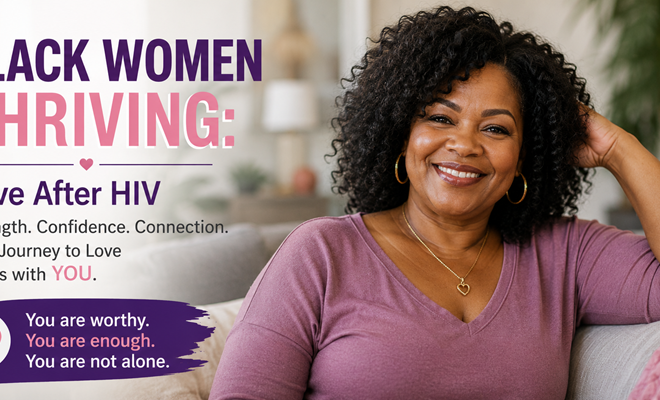
Yes. An HIV diagnosis does not prevent someone from experiencing love, intimacy, marriage, or long-term commitment. HIV Dating involves many of the same experiences as other relationships, including communication, trust, emotional connection, and mutual respect.
Partners can discuss sexual health, treatment, and personal boundaries openly. HIV status does not determine a person’s worth or ability to build a meaningful relationship.
3. Can Someone With HIV Have Sex Without Transmitting the Virus?
Yes. The medical principle Undetectable = Untransmittable (U=U) confirms that a person living with HIV who maintains an undetectable viral load through treatment does not transmit HIV through sex.
Regular medical monitoring and taking medication as prescribed are important. U=U does not prevent other sexually transmitted infections or pregnancy, so couples can consider additional precautions based on their needs.
4. Does HIV Mean Someone Will Become Seriously Ill?
No. HIV does not automatically lead to AIDS or serious illness. Antiretroviral therapy reduces the amount of virus in the body and helps preserve immune function.
With timely treatment and regular healthcare, many people living with HIV can enjoy long, healthy lives. A diagnosis does not mean someone must give up personal goals, friendships, careers, or relationships.
5. Can People With HIV Get Married and Have Children?
Yes. People living with HIV can marry, plan families, and become parents. With appropriate treatment and medical guidance, the risk of transmitting HIV to a baby during pregnancy and childbirth can be greatly reduced.
Anyone planning a pregnancy should speak with a qualified healthcare professional about treatment, reproductive health, and appropriate care for the baby.
6. Is It Safe to Date Someone With a Different HIV Status?
Yes. People with different HIV statuses can have fulfilling relationships. These are sometimes called serodifferent relationships. Partners can learn about treatment, testing, and prevention options together.
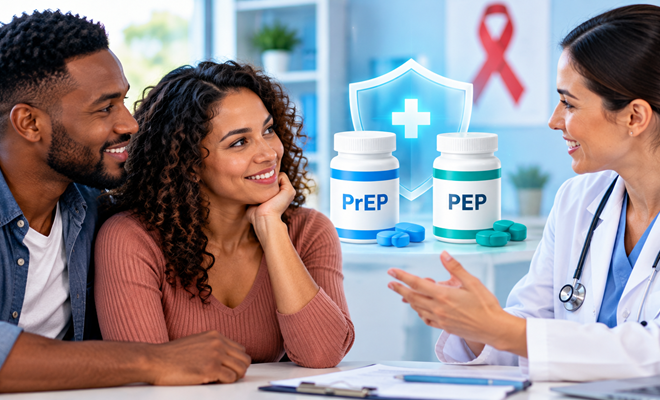
Pre-exposure prophylaxis (PrEP) may help prevent HIV in an HIV-negative partner when appropriate. If the partner living with HIV maintains an undetectable viral load, sexual transmission does not occur.
7. Should Someone Tell a Romantic Partner About Their HIV Status?
Honest conversations about HIV and sexual health can support trust and informed decisions. However, disclosure may feel difficult when someone fears rejection or discrimination.
Choosing a safe setting, preparing what to say, and looking for support from a counselor or healthcare professional can make the conversation easier. Legal disclosure requirements vary by location, so anyone concerned about their obligations should obtain reliable local advice.
Personal safety and privacy also matter. Nobody should be pressured into a conversation that puts them at risk of harm.
8. Can People With HIV Experience Love Without Being Judged?
Absolutely. Everyone deserves affection, respect, and companionship regardless of their health status. Unfortunately, stigma can make dating emotionally challenging.
Building Positive Relationships means looking beyond a diagnosis and recognizing a person’s values, personality, and goals. Supportive friends, respectful partners, and understanding communities can help people feel more confident and accepted.
9. What Should You Do After Possible HIV Exposure?
Look at medical advice immediately if you believe you have been exposed to HIV. Post-exposure prophylaxis (PEP) is medication that may prevent infection after exposure and must be started within 72 hours, preferably as soon as possible.
HIV testing is essential because symptoms cannot reliably confirm or rule out infection. Different tests have different window periods, so a healthcare professional can recommend appropriate testing and follow-up.
How Can People Talk About HIV With Confidence?
Replace Misinformation With Facts
Reliable information from healthcare professionals and public health organizations helps people understand HIV transmission, treatment, and prevention. Learning the facts reduces unnecessary fear and supports better decisions.
Communicate With Empathy
When someone shares their HIV status, listen without judgment. Avoid intrusive questions, respect their privacy, and allow them to decide how much personal information they want to share.
Find Support and Understanding
Healthcare providers, counselors, HIV clinics, and peer-support groups can provide practical guidance and emotional reassurance. Accessing HIV Support resources may help people navigate relationships, disclosure, and social stigma.
Why HIV Education Matters in Dating and Everyday Life
Education encourages people to discuss testing, prevention, and treatment without shame. It also helps people understand that HIV is a medical condition, not a person’s identity.
For people navigating Dating With HIV, accurate information and clear communication can make relationship decisions easier. Specialized dating platforms and support communities may also help people connect with others who understand similar experiences.
When using online platforms, protect personal information, respect others’ privacy, and evaluate the safety of a service before sharing sensitive details. Healthy relationships depend on mutual understanding rather than assumptions.
Frequently Asked Questions About HIV
What is the most important thing to know about HIV?
HIV is manageable with effective treatment. People living with HIV can maintain their health, build relationships, and lead fulfilling lives with appropriate medical care.
Can HIV be cured completely?
There is currently no widely available cure for HIV. However, antiretroviral therapy can control the virus and help people live long, healthy lives.
Can you tell whether someone has HIV by looking at them?
No. A person’s appearance cannot reveal their HIV status. Testing is the only reliable way to determine whether someone has HIV.
Can an HIV-positive person date an HIV-negative person?
Yes. Couples can have healthy relationships by understanding treatment, U=U, testing, and prevention options such as PrEP.
Where can people find reliable HIV information?
The World Health Organization, CDC, HIV.gov, local HIV clinics, and qualified healthcare professionals provide reliable information about testing, prevention, and treatment.
Final Thoughts: Understanding HIV Without Fear or Stigma
The questions people are afraid to ask about HIV often come from uncertainty and fear of rejection. Accurate answers can replace misinformation with understanding and help people make informed choices about their health and relationships. An HIV diagnosis does not define someone’s future or ability to love. With effective treatment, medical guidance, and supportive relationships, people living with HIV can build meaningful lives. Ultimately, HIV Education helps create a more informed and compassionate society where people can ask questions, access care, and experience relationships with dignity and respect.