PrEP, PEP, and Beyond: Your Practical Toolkit for HIV Prevention
HIV prevention has changed significantly over the years, giving people more practical ways to protect their health and make informed decisions about sexual wellness. PrEP For HIV Prevention and PEP after HIV exposure are two important tools, but prevention does not stop there. Regular testing, condoms, communication, medical care, and understanding individual risk can all play a role in a complete prevention plan.
Knowing how these options work can make prevention feel more manageable. Whether you are dating, starting a new relationship, or simply taking a proactive approach to your health, learning about available HIV prevention methods can help you discuss your choices confidently with a healthcare professional.
Understanding HIV Prevention
HIV is transmitted through certain body fluids, including blood, semen, vaginal fluids, and rectal fluids. Transmission can occur through activities such as condomless anal or vaginal sex or sharing injection equipment. HIV cannot be transmitted through everyday contact such as hugging, sharing food, shaking hands, or sitting together.
A good prevention plan depends on your circumstances. Some people may use condoms, while others may consider medication such as PrEP. People who may have recently been exposed to HIV can discuss PEP with an emergency department or healthcare provider.
What Is PrEP?
Pre-exposure prophylaxis, commonly called PrEP, is medication taken by people who do not have HIV to reduce their risk of acquiring HIV. When taken as prescribed, PrEP can provide a high level of protection against sexual HIV transmission.
There are different PrEP options, and availability depends on the country, medical guidance, and individual circumstances. A healthcare professional can explain which option may be appropriate and how frequently it needs to be taken.
For people considering PrEP medication for HIV prevention, the most important step is talking with a qualified healthcare professional. They can discuss HIV testing, kidney health where relevant, other medications, possible side effects, and the appropriate follow-up schedule.
What Is PEP?
Post-exposure prophylaxis, or PEP, is different from PrEP. PEP is an emergency HIV prevention treatment used after a possible exposure to HIV. It is intended for people who do not have HIV and may have recently experienced an exposure.
When Should PEP Be Started?
Timing is extremely important. PEP should be started as soon as possible after a potential HIV exposure and is generally recommended within 72 hours. The sooner it is started, the better.
If you believe you may have been exposed to HIV, do not wait for symptoms to appear. Contact a healthcare provider, emergency department, or other appropriate medical service immediately. A professional can assess the exposure and determine whether PEP is appropriate.
Understanding PEP After Possible HIV Exposure is particularly important because the treatment window is limited. Having a plan for where to obtain urgent medical care can be useful before an emergency occurs.
PrEP and PEP: Understanding the Difference
Although their names are similar, PrEP and PEP serve different purposes. PrEP is used before potential exposure as an ongoing prevention strategy. PEP is used after a possible exposure and is intended as an emergency intervention.
Think of PrEP as a planned prevention option and PEP as an urgent response following a possible exposure. Neither should be started, stopped, or changed without appropriate medical guidance.
For PrEP and PEP HIV prevention, understanding the difference can help people respond appropriately when circumstances change.
Beyond PrEP and PEP: Other HIV Prevention Tools
Medication is only one part of HIV prevention. Combining different strategies can provide a broader approach to sexual health.
Condoms and Barrier Protection
Condoms remain an important HIV and sexually transmitted infection prevention tool. Using condoms correctly and consistently can reduce the risk of HIV transmission and can also help protect against several other sexually transmitted infections.
Choosing the right condom size and using it correctly from start to finish can make a difference. Water- or silicone-based lubricants can also help reduce friction and lower the likelihood of condom breakage.
Regular HIV and STI Testing
Testing is another important part of HIV prevention and sexual health. Regular testing can help people understand their current status and identify infections that may otherwise have no noticeable symptoms.
Testing frequency depends on individual circumstances and potential exposure. A healthcare professional can help determine an appropriate schedule based on sexual activity, prevention methods, and other risk factors.
Communication With Partners
Open conversations can make sexual health decisions easier. Before becoming sexually active with a new partner, consider discussing testing, condoms, PrEP, STI prevention, and any concerns either person may have.
These conversations do not need to be complicated. Honest communication can create a clearer understanding of boundaries and health preferences.
For people exploring safe sex and HIV prevention, communication is an important part of making informed decisions together.
U=U and HIV Prevention
Another important development in HIV prevention is U=U, meaning Undetectable = Untransmittable. People with HIV who take treatment as prescribed and maintain an undetectable viral load do not transmit HIV through sex.
This information has transformed conversations around HIV, relationships, and dating. It also shows why HIV testing and treatment are important not only for individual health but also for prevention.
If someone is living with HIV, effective treatment and regular medical care are central to maintaining an undetectable viral load.
Creating Your Personal HIV Prevention Toolkit
There is no single prevention strategy that works identically for everyone. Your toolkit can be based on your relationships, sexual activities, health needs, and conversations with healthcare professionals.
A practical toolkit may include regular HIV testing, condoms, STI screening, PrEP when appropriate, knowledge of PEP, and honest communication with partners.
Know Where to Get Help
Before you need urgent care, learn where HIV testing and medical services are available in your area. Knowing where to obtain PEP quickly can be especially useful because it must be started promptly after a possible exposure.
Healthcare professionals can also answer questions about HIV prevention options for adults, medication, testing, and sexual health.
Keep Prevention Conversations Judgment-Free
Dating and relationships can involve different levels of intimacy and different health considerations. A respectful approach allows both partners to discuss protection without blame or pressure.
HIV Prevention and Dating
Dating does not have to be separated from conversations about sexual health. People can discuss testing and prevention before becoming intimate and decide what boundaries make them comfortable.
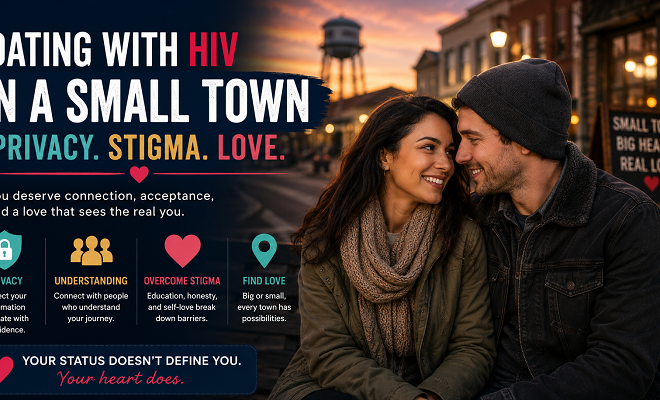
For people using HIV prevention methods while dating, privacy and mutual respect can be just as important as the medical tools themselves. You can take time to understand a new partner, discuss sexual health when you feel comfortable, and make decisions based on accurate information.
Frequently Asked Questions
1. What is PrEP used for?
PrEP is medication used by people who do not have HIV to reduce their risk of acquiring HIV. A healthcare professional can determine whether PrEP is appropriate and explain available options.
2. What is PEP used for?
PEP is an emergency medication regimen used after a possible HIV exposure. It should be started as soon as possible and generally within 72 hours of the exposure.
3. Can PrEP replace condoms?
PrEP is specifically designed to prevent HIV and does not protect against other sexually transmitted infections. Condoms can provide additional protection against HIV and several other STIs.
4. How often should I get an HIV test?
Testing frequency depends on your circumstances and potential exposure. Speak with a healthcare professional about a testing schedule appropriate for you.
5. What should I do after a possible HIV exposure?
Look medical advice immediately. If PEP is appropriate, it needs to be started promptly, generally within 72 hours of the potential exposure.
6. Can someone with HIV have a healthy dating life?
Yes. People living with HIV can have relationships, date, and enjoy fulfilling lives. Effective HIV treatment can reduce the amount of virus in the body to an undetectable level, and sustained viral suppression means HIV is not transmitted through sex.
7. Is HIV prevention only about medication?
No. Prevention can include medication, condoms, testing, STI screening, communication, and treatment for people living with HIV. Combining appropriate strategies can create a comprehensive approach.
8. Does PEP protect against other STIs?
PEP is specifically intended to prevent HIV after a possible exposure. It does not provide protection against other sexually transmitted infections.
9. Where can I learn more about HIV prevention?
A qualified healthcare professional, sexual health clinic, or reputable public health organization can provide current information about testing, PrEP, PEP, condoms, and other prevention options.
Final Thoughts
PrEP, PEP, condoms, testing, treatment, and communication each have an important place in HIV Prevention. The right approach depends on your individual circumstances and should be discussed with a qualified healthcare professional.
Understanding the difference between planned prevention and emergency prevention can help you act quickly when necessary. At the same time, regular testing and open communication can support healthier relationships and better sexual health decisions.
The goal of a practical HIV prevention toolkit is not to create fear. It is to give people reliable information and options so they can make informed choices about their health.