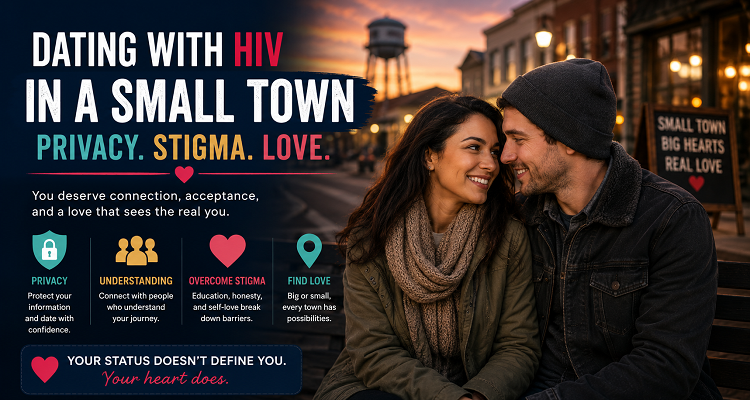
Living with HIV can be challenging anywhere, but dating in a small town often brings unique concerns. Limited dating pools, fear of gossip, concerns about privacy, and lingering stigma can make meeting new people feel intimidating.
Despite these challenges, thousands of people living with HIV in small communities successfully build meaningful relationships every year. Love, companionship, and acceptance are still possible—you may simply need a different approach to dating and disclosure.
The Unique Challenges of Small-Town Dating
In larger cities, anonymity is often easier to maintain. In small towns, however, people frequently know each other through work, family, schools, or community events.
This can create concerns such as:
- Fear of being recognized on dating apps
- Worry about rumors spreading
- Limited opportunities to meet new people
- Concerns about HIV-related stigma
- Anxiety around disclosure
These challenges are real, but they don’t have to prevent you from finding meaningful connections.
Protecting Your Privacy While Dating
Privacy is often one of the biggest concerns for HIV-positive singles in smaller communities.
Fortunately, there are ways to maintain control over your personal information.
Be Selective with Profile Details
You don’t need to share every aspect of your life publicly. Focus on your interests, personality, hobbies, and relationship goals rather than revealing sensitive details immediately.
Use Private Messaging First
Take time to get to know potential matches before sharing personal information.
Meet Outside Your Immediate Community
Some people feel more comfortable expanding their search radius to nearby cities or neighboring towns.
Trust Your Instincts
If someone seems intrusive, disrespectful, or overly curious about your private life, it may be best to move on.
Overcoming HIV Stigma
Although awareness has improved significantly, HIV stigma still exists in many communities.
Stigma often comes from outdated information rather than facts. Modern HIV treatment allows many people to live long, healthy, active lives and maintain successful relationships.
Remember:
- HIV does not define your worth.
- You deserve love and respect.
- Educated partners are often more understanding than expected.
- Rejection does not determine your value.
The more informed and confident you become, the easier it often becomes to navigate conversations about HIV.
When Should You Disclose Your HIV Status?
Disclosure is one of the most common concerns for people with HIV.
There is no single timeline that works for everyone. However, many people choose to disclose after establishing trust but before sexual intimacy.
Helpful disclosure tips include:
- Choose a private setting.
- Stay calm and confident.
- Share accurate information.
- Allow time for questions.
- Be prepared for different reactions.
Honesty helps create stronger relationships built on trust and mutual respect.
Finding Love Beyond Stigma
Many HIV-positive singles discover that the right partner values honesty far more than perfection.
Healthy relationships are built on:
- Trust
- Communication
- Emotional support
- Shared values
- Respect
An HIV diagnosis does not eliminate your ability to experience any of these qualities.
In fact, many people find that navigating disclosure strengthens emotional intimacy and communication within relationships.
Benefits of HIV-Friendly Dating Communities
Online HIV dating platforms can be especially valuable for people living in small towns.
Benefits include:
- Greater privacy controls
- Larger dating pools
- Reduced fear of stigma
- Connections with people who understand HIV
- More opportunities to build confidence
Many users appreciate connecting with individuals who already understand the realities of living with HIV.
Building Confidence in Your Dating Journey
Confidence often starts with self-acceptance.
Focus on:
- Your personal strengths
- Career achievements
- Hobbies and interests
- Friendships and support systems
- Personal growth
The more you view yourself as a complete person rather than a diagnosis, the more naturally confidence tends to develop.
Small Town, Big Possibilities
Living in a small town may present challenges, but it can also offer meaningful opportunities to build genuine connections.
Many successful relationships begin with:
- Honest conversations
- Shared experiences
- Mutual understanding
- Patience and trust
The size of your town does not determine the size of your future.
Frequently Asked Questions
Is dating with HIV harder in a small town?
It can present additional privacy and stigma concerns, but many people successfully find relationships through online communities and expanded dating networks.
How can I protect my privacy while dating?
Use trusted platforms, avoid oversharing personal details early, and take time to build trust before disclosure.
Should I tell someone about my HIV status immediately?
Disclosure timing varies, but most experts recommend having the conversation before sexual intimacy and after some trust has been established.
Can I find love while living with HIV?
Absolutely. Millions of people living with HIV enjoy healthy, loving, and long-lasting relationships.
What if someone rejects me after disclosure?
Rejection can happen in any dating situation. It reflects personal preferences, not your worth or ability to find a compatible partner.
Final Thoughts
Dating with HIV in a small town can feel challenging, but privacy concerns and stigma do not have to define your experience. By protecting your privacy, building confidence, and focusing on honest communication, you can create meaningful relationships based on trust and acceptance. The right person will appreciate you for who you are—not simply your diagnosis.