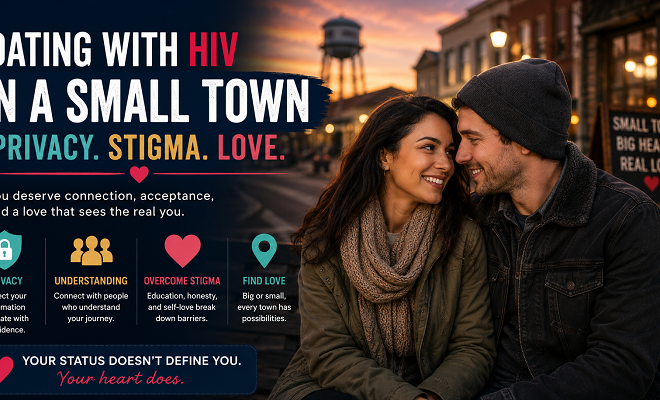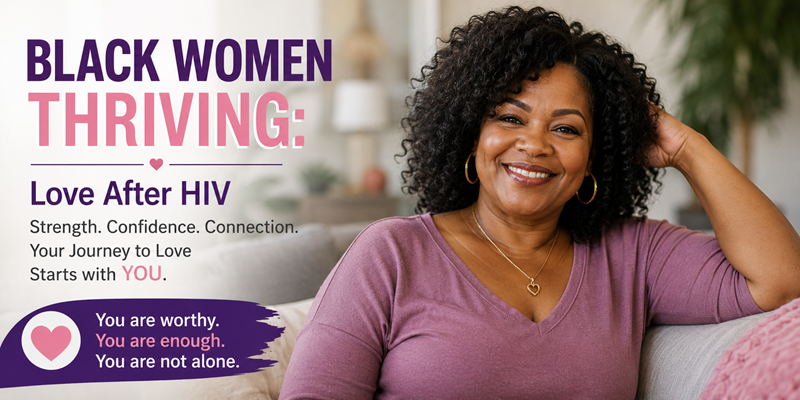
An HIV diagnosis can feel overwhelming at first, but it does not define a person’s future, happiness, or ability to build meaningful relationships. Across the United States and around the world, countless women are proving that life after diagnosis can be full of confidence, purpose, healthy relationships, and genuine love. Today, Black Women Thriving are changing the conversation by breaking stigma, prioritizing their health, and embracing fulfilling lives.
While Black women continue to face unique challenges related to healthcare access, stigma, and social inequality, they also demonstrate incredible resilience. With advances in HIV treatment, strong support systems, and growing awareness, many women are experiencing successful careers, healthy families, and lasting romantic relationships.
HIV Does Not Define Your Future
Medical science has transformed HIV care over the last several decades. People living with HIV who consistently take their prescribed medication can achieve an undetectable viral load. According to the U.S. Centers for Disease Control and Prevention (CDC), people who maintain an undetectable viral load cannot sexually transmit HIV to their partners (Undetectable = Untransmittable, or U=U).
This breakthrough has changed millions of lives.
Instead of living with fear, many women now focus on:
- Building confidence
- Growing healthy relationships
- Pursuing career goals
- Starting families
- Supporting their communities
This shift has helped many women begin a true Positive Love Journey based on honesty, trust, and self-worth.
Black Women Continue to Inspire Others
The story of Black Women Empowerment extends far beyond HIV.
Many women have become advocates, educators, entrepreneurs, healthcare professionals, mothers, mentors, and community leaders while managing HIV successfully.
Their stories demonstrate that strength comes from:
Self-acceptance.
Education.
Access to quality healthcare.
Supportive friendships.
Healthy romantic relationships.
Instead of allowing stigma to control their lives, many women choose to educate others and help reduce misinformation surrounding HIV.
The Reality of Finding Love After HIV
Finding love after diagnosis is possible.
Many people worry that no one will accept them after learning they have HIV. While rejection may happen—as it can in any dating experience—it is far from the whole story.
Thousands of successful couples include one or both partners living with HIV.
Healthy relationships begin with honesty, communication, mutual respect, and understanding.
Many couples discover that an HIV diagnosis actually strengthens communication because it encourages openness from the beginning.
This creates stronger foundations for Healthy HIV Relationships built on trust instead of fear.
The Role of HIV Positive Dating Communities
Dating can feel less stressful when both people understand HIV.
Many women explore HIV Positive Dating communities where members already understand disclosure, medication, and daily life with HIV.
These communities often provide opportunities to:
Meet supportive partners.
Develop friendships.
Share personal experiences.
Reduce feelings of isolation.
Gain encouragement from others with similar journeys.
While HIV-focused dating communities can be helpful, many women also build successful relationships through everyday social activities, work, volunteering, church communities, and mutual friends.
Love has no single path.
HIV Dating Support Makes a Difference
No one should navigate HIV alone.
Quality HIV Dating Support can include healthcare providers, counselors, peer mentors, local organizations, and online support communities.
Support helps women:
Manage anxiety.
Practice disclosure conversations.
Improve self-confidence.
Reduce isolation.
Strengthen emotional well-being.
Many women say their support network became one of the most valuable parts of their healing journey.
Thriving With HIV Is More Than Medical Care
Modern HIV treatment allows many people to live long and healthy lives.
But Thriving With HIV also means caring for emotional, mental, and social health.
Important wellness habits include:
Regular exercise.
Nutritious meals.
Quality sleep.
Stress management.
Mental health counseling when needed.
Strong social connections.
Personal hobbies and creative outlets.
Overall wellness contributes to happier relationships and greater confidence.
Navigating Disclosure With Confidence
One of the biggest concerns after diagnosis is telling a romantic partner.
There is no universal script.
Each situation is different.
Experts generally recommend choosing a private setting, allowing enough time for conversation, sharing accurate medical information, and being prepared to answer questions.
Many women discover that honest conversations build stronger emotional connections.
Those who respond with compassion often become trusted long-term partners.
Overcoming HIV Stigma
Unfortunately, HIV stigma still exists.
However, education continues changing public understanding.
Scientific evidence has shown that effective treatment dramatically improves health outcomes and prevents sexual transmission when viral suppression is maintained.
Women who educate themselves often feel more prepared to respond calmly to misinformation.
Knowledge replaces fear with confidence.
This is an important part of Black Women Thriving in every area of life.
Mental Health Matters
Healing involves both body and mind.
Some women experience:
Anxiety.
Depression.
Fear of rejection.
Relationship concerns.
Self-doubt.
Professional counseling, support groups, mindfulness practices, faith communities, and trusted friends can all contribute to emotional healing.
Strong mental health supports stronger relationships and a healthier future.
Community Support Creates Lasting Change
Communities become stronger when women support one another.
Across the country, Black women continue organizing mentorship programs, advocacy groups, wellness events, and educational workshops.
These initiatives help reduce stigma while encouraging routine HIV testing, treatment adherence, and relationship education.
Every conversation helps normalize HIV and creates safer spaces for future generations.
Community Voices (Representative Experiences)
The following examples are representative stories inspired by common experiences shared within HIV support communities. They are not individual testimonials.
“A., 38”
“I thought my dating life was over after my diagnosis. Learning about treatment and meeting supportive people helped me realize I deserved happiness. Today I’m in a healthy relationship built on honesty.”
“M., 45”
“Joining a local support group completely changed my perspective. I gained confidence, learned more about HIV, and stopped letting fear control my future.”
“J., 34”
“I focused on my health first. Once I believed in myself again, dating became much less stressful. The right people accepted me for who I am.”
Frequently Asked Questions
Can Black women living with HIV have healthy relationships?
Yes. Many women build long-lasting, supportive, and fulfilling relationships while managing HIV successfully.
Is Love After HIV really possible?
Absolutely. Thousands of couples demonstrate that love, commitment, and healthy partnerships are possible after an HIV diagnosis.
What is U=U?
Undetectable equals Untransmittable (U=U). People living with HIV who maintain an undetectable viral load through treatment do not sexually transmit HIV to sexual partners.
Are there communities that offer HIV Dating Support?
Yes. Many nonprofit organizations, healthcare centers, peer support groups, and HIV-focused dating communities provide education, encouragement, and emotional support.
Can someone with HIV get married?
Yes. HIV does not prevent marriage. Many couples build successful marriages while following medical guidance and maintaining open communication.
How can women become more confident after a diagnosis?
Education, treatment adherence, supportive relationships, counselling, self-care, and connecting with positive communities all contribute to Confident HIV Living.
Is HIV Positive Dating only for people living with HIV?
Not necessarily. Some dating communities include people living with HIV as well as HIV-negative individuals who are informed, supportive, and interested in building respectful relationships.
Final Thoughts
An HIV diagnosis is not the end of love, hope, or opportunity. Every day, Black Women Thriving continue proving that resilience, education, and community can overcome stigma. Through Healthy HIV Relationships, reliable HIV Dating Support, and a commitment to Thriving With HIV, women are writing new stories filled with confidence, purpose, and joy.
Your diagnosis does not define your future. Your strength, your choices, and your determination shape your Positive Love Journey. With trusted healthcare, supportive communities, and the right partner, Love After HIV is not only possible, it is happening every day.