Living with HIV today is very different from what it was decades ago. Thanks to advances in antiretroviral therapy (ART), many people living with HIV can enjoy long, active, and fulfilling lives. While taking your medication as prescribed remains the foundation of HIV care, healthy lifestyle choices such as regular exercise, balanced nutrition, quality sleep, stress management, and maintaining a positive outlook can significantly improve your overall well-being.
Healthy living is not about making drastic changes overnight. Small, consistent habits can help strengthen your body, support your immune system, improve mental health, and increase your confidence. Whether you were recently diagnosed or have been living with HIV for many years, investing in your physical and emotional health can help you enjoy a better quality of life.
Why Healthy Living Matters
Modern HIV treatment has transformed HIV into a manageable long-term condition for many people. When treatment is combined with healthy daily habits, individuals often experience better physical health, improved emotional well-being, and a reduced risk of developing other chronic conditions such as heart disease, diabetes, osteoporosis, and high blood pressure.
Regular medical care, medication adherence, and healthy lifestyle choices work together to help maintain viral suppression and support long-term wellness. According to HIV.gov, physical activity is safe for most people living with HIV and offers numerous health benefits, including improved cardiovascular fitness, stronger muscles, better mental health, and increased energy.
Healthy living is not about being perfect. It is about making choices that help you feel your best every day.
Exercise Supports Your Body and Mind
Exercise is one of the most effective ways to improve your overall health while living with HIV. Regular physical activity benefits nearly every system in the body.
Supports Heart Health
People living with HIV may have a higher risk of cardiovascular disease due to ageing, chronic inflammation, lifestyle factors, or certain medications. Activities such as walking, cycling, swimming, and jogging help strengthen the heart, improve circulation, and lower blood pressure.
Maintains Muscle Strength
Strength training helps preserve lean muscle mass, improve balance, and increase mobility. This becomes especially important as people age or experience changes in body composition associated with HIV or its treatment.
Increases Energy Levels
Although fatigue can sometimes affect people living with HIV, regular moderate exercise often helps improve stamina and reduce tiredness over time.
Improves Mental Well-being
Exercise stimulates the release of endorphins, which naturally improve mood and reduce stress. Regular physical activity has also been associated with lower levels of anxiety and depression while improving sleep quality and emotional resilience.
Helps Maintain a Healthy Weight
Combining regular exercise with balanced nutrition supports a healthy body weight and helps reduce the risk of metabolic complications.
Choosing the Right Exercise
There is no single exercise program that works for everyone. The best routine is one that matches your fitness level, interests, and health condition.
Walking is one of the easiest ways to become more active. A brisk walk for 30 minutes most days of the week provides excellent cardiovascular benefits without requiring special equipment.
Strength training using resistance bands, light weights, or bodyweight exercises such as squats and push-ups helps build muscle and improve bone health.
Cycling offers an enjoyable low-impact workout that strengthens the heart while protecting the joints.
Swimming provides a full-body workout while minimizing stress on the knees, hips, and back.
Yoga and stretching exercises improve flexibility, posture, balance, and relaxation. Many people living with HIV also find yoga helpful for managing stress and improving mental focus.
How Much Physical Activity Is Recommended?
Health experts generally recommend that adults complete at least 150 minutes of moderate-intensity aerobic activity every week, along with muscle-strengthening exercises on two or more days each week.
If you are new to exercise, begin with shorter sessions lasting 10 to 15 minutes and gradually increase the duration as your fitness improves. Even small amounts of daily movement can provide meaningful health benefits.
Before beginning a new fitness program, consult your healthcare provider, especially if you have other medical conditions or have recently experienced illness.
Nutrition Supports Long-Term Health
Good nutrition plays an essential role in maintaining energy levels, supporting the immune system, and helping the body respond effectively to HIV treatment.
A balanced eating plan should include:
- Lean sources of protein
- Whole grains
- Fresh fruits
- Vegetables
- Healthy fats
- Plenty of water
Proper nutrition also helps maintain muscle mass, supports bone health, and reduces the risk of chronic diseases.
If you experience appetite changes, unintended weight loss, or digestive concerns, speak with your healthcare provider or a registered dietitian who has experience working with people living with HIV.
Stay Hydrated
Hydration is often overlooked, yet it is essential for overall health. Drinking enough water helps regulate body temperature, supports digestion, maintains healthy kidney function, and reduces fatigue.
Carry a reusable water bottle throughout the day and increase your fluid intake during exercise or hot weather.
The Importance of Sleep
Sleep gives your body time to recover, repair tissues, and strengthen your immune system.
Adults should aim for seven to nine hours of quality sleep each night whenever possible.
Improving sleep habits may include:
- Going to bed at the same time each night
- Reducing screen time before bedtime
- Limiting caffeine later in the day
- Creating a quiet and comfortable sleeping environment
Good sleep supports concentration, memory, mood, and physical recovery.
Maintaining a Positive Mindset
Living positively with HIV does not mean ignoring challenges. It means developing healthy ways to cope while focusing on what you can control.
Building emotional resilience often starts with accepting that HIV is one aspect of your life, not your identity.
Helpful habits include:
Practice Self-Compassion
Treat yourself with kindness and patience. Everyone experiences setbacks, and living with HIV does not diminish your value.
Focus on Progress
Celebrate small achievements such as completing a workout, preparing a healthy meal, attending a medical appointment, or taking your medication consistently.
Continue Learning
Understanding HIV, treatment options, and healthy lifestyle practices helps replace fear with confidence.
Build Healthy Relationships
Spend time with people who encourage, support, and respect you. Positive relationships contribute significantly to emotional well-being.
Prioritize Your Mental Health
Mental health deserves the same attention as physical health.
It is normal to experience anxiety, stress, sadness, or uncertainty after an HIV diagnosis or during different stages of life. If these feelings become difficult to manage or begin affecting your daily activities, professional support can make a meaningful difference.
Consider talking with:
- A psychologist
- A licensed counselor
- A psychiatrist
- HIV support organizations
- Peer support groups
Getting professional support is a sign of strength. Many people living with HIV discover that open conversations with healthcare professionals or peers help reduce stress, improve confidence, and build emotional resilience.
Continue Your HIV Treatment
Exercise, healthy eating, and positive lifestyle habits support HIV treatment, but they do not replace it.
Continue to:
- Take your ART medication exactly as prescribed.
- Attend regular medical appointments.
- Monitor your viral load and CD4 count.
- Discuss any medication side effects with your healthcare provider.
- Follow your treatment plan consistently.
Many people who maintain an undetectable viral load through effective treatment can achieve excellent long-term health. Scientific evidence also supports the principle of Undetectable = Untransmittable (U=U), meaning people with a sustained undetectable viral load do not sexually transmit HIV.
Healthy Relationships Matter
Healthy living includes emotional connection as well as physical health.
Many people living with HIV worry about dating after diagnosis, but thousands build successful, loving relationships every year. Honest communication, mutual respect, and education help create stronger partnerships.
If you feel ready to meet others who understand your journey, HIV-focused communities such as PositiveSingles provide supportive environments where members can connect without fear of stigma. These communities offer opportunities to build friendships, receive encouragement, and develop meaningful relationships.
Daily Habits That Support Healthy Living
Simple habits practiced consistently can make a significant difference over time.
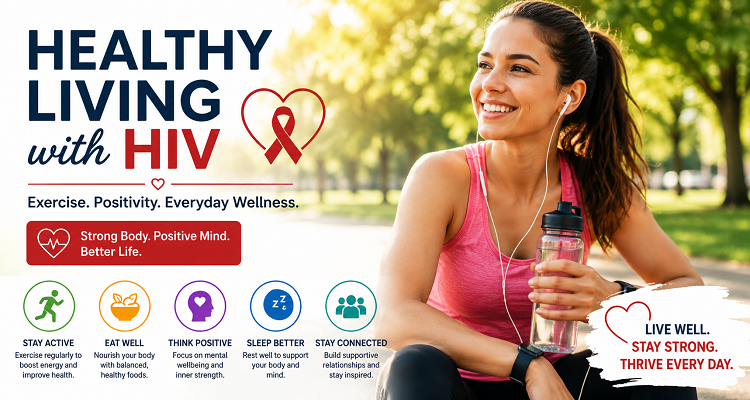
- Stay physically active.
- Eat nutritious meals.
- Drink enough water.
- Take medications on schedule.
- Avoid smoking.
- Limit alcohol consumption.
- Manage stress through relaxation techniques.
- Attend regular health checkups.
- Stay connected with supportive family members and friends.
- Continue learning from trusted healthcare professionals and reputable HIV organizations.
These everyday habits help strengthen both physical and emotional health.
Final Thoughts
Living with HIV no longer means putting your life on hold. With today’s effective treatments and a healthy lifestyle, many people living with HIV enjoy active careers, meaningful relationships, rewarding hobbies, and excellent long-term health.
Exercise, nutritious food, quality sleep, stress management, regular medical care, and a positive mindset all contribute to a healthier future. Remember that lasting progress comes from consistent daily choices rather than perfection.