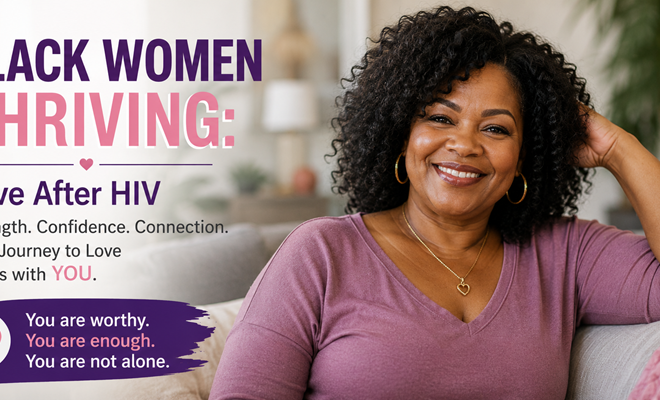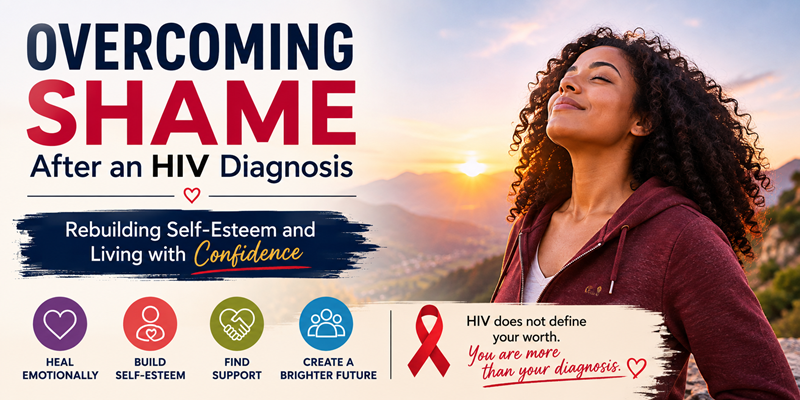
Receiving an HIV diagnosis can bring a wave of emotions, including fear, sadness, uncertainty, and shame. While medical advances have transformed HIV into a manageable long-term condition for many people, emotional healing often takes longer than physical recovery. Negative stereotypes, social stigma, and fear of judgment may affect self-esteem, making it difficult to move forward with confidence.
The truth is that HIV does not define your character, your future, or your ability to build meaningful relationships. Millions of people living with HIV lead fulfilling personal and professional lives while maintaining healthy relationships and pursuing their goals. Rebuilding self-esteem is a gradual process, but with accurate information, supportive relationships, and self-compassion, it is entirely possible.
Why HIV-Related Shame Happens
Shame is one of the most common emotional responses after an HIV diagnosis. Unlike guilt, which focuses on a specific action, shame often affects how people view themselves. Someone living with HIV may begin believing they are less deserving of love, friendship, or success because of their diagnosis.
These feelings are often shaped by misinformation and outdated beliefs about HIV rather than reality. Despite decades of medical progress, stigma continues to exist in many communities, causing some individuals to isolate themselves or avoid discussing their diagnosis.
According to the Centers for Disease Control and Prevention (CDC), HIV stigma remains a significant barrier to emotional well-being, healthcare engagement, and healthy relationships. Learning to recognize these negative beliefs is the first step toward overcoming them.
The Impact of Low Self-Esteem
Low self-esteem affects much more than dating. It can influence nearly every aspect of daily life, from career confidence to social interactions and mental health.
People struggling with HIV-related shame may avoid meeting new people, hesitate to pursue career opportunities, or withdraw from family and friends. Some may even delay medical appointments because they fear being judged.
Negative self-talk often becomes a cycle. Thoughts such as “I’m not good enough” or “No one will accept me” gradually feel true, even though they are based on fear rather than facts. Breaking this cycle requires patience and a willingness to replace harmful beliefs with healthier perspectives.
Understanding the Reality of Living with HIV
Medical advances have dramatically improved the outlook for people living with HIV. Modern antiretroviral therapy (ART) allows many individuals to maintain an undetectable viral load through consistent treatment. Scientific evidence supports the principle of Undetectable equals Untransmittable (U=U), meaning people who maintain an undetectable viral load do not sexually transmit HIV to their partners.
This progress has changed what it means to live with HIV. Many people enjoy long, healthy lives, build families, maintain successful careers, and develop lasting relationships. Understanding these facts can reduce unnecessary fear and replace outdated assumptions with confidence.
The World Health Organization also emphasizes that reducing HIV-related stigma is essential for improving both mental health and overall quality of life.
Replace Negative Thoughts with Compassion
Everyone experiences negative thoughts from time to time, especially after a life-changing diagnosis. The key is learning not to accept every thought as the truth.
Instead of thinking:
“I’ll never have a happy relationship.”
Consider replacing it with:
“I deserve a relationship built on honesty, respect, and understanding.”
Instead of saying:
“My diagnosis defines me.”
Try reminding yourself:
“HIV is only one part of my health, not my identity.”
Changing internal dialogue takes practice, but even small improvements can gradually strengthen confidence.
Treat yourself with the same kindness you would offer a close friend facing similar circumstances. Self-compassion does not ignore challenges; it helps you face them without unnecessary self-criticism.
Build a Strong Support Network
Emotional healing becomes easier when you have supportive people around you. Family members, trusted friends, healthcare professionals, counselors, and peer support groups can all play an important role in rebuilding confidence.
Talking with others who share similar experiences often helps reduce feelings of isolation. Many people discover that hearing real stories from others living with HIV reminds them they are not alone and that a fulfilling future remains possible.
Professional counseling may also help if shame or anxiety begins affecting daily life. Therapists experienced in chronic health conditions can provide practical strategies for managing stress, improving self-esteem, and building emotional resilience.
Focus on Your Strengths Instead of Your Diagnosis
Every person has unique qualities that make them valuable beyond any medical condition. Consider the strengths you already possess, whether they include kindness, creativity, determination, humor, compassion, or professional skills.
Participating in hobbies, volunteering, exercising, or learning something new can also improve confidence. Accomplishing personal goals reminds you that your identity is shaped by your actions, values, and character—not by HIV.
Confidence grows through consistent positive experiences rather than overnight transformation.
Expert Insight: Self-Esteem Is an Important Part of HIV Care
Managing HIV involves more than taking medication. Emotional well-being plays a significant role in overall health and quality of life. Research has shown that people who receive emotional support and feel accepted are more likely to stay engaged in medical care and maintain their treatment plans. Reducing self-stigma can also improve relationships, reduce anxiety, and encourage healthier lifestyle choices.
The Centers for Disease Control and Prevention (CDC) and the World Health Organization (WHO) continue to emphasize that eliminating HIV-related stigma is essential for improving health outcomes and helping people living with HIV lead fulfilling lives. Building self-esteem is not simply about feeling better—it is an important part of long-term wellness.
Moving Forward with Confidence
Healing from HIV-related shame is a journey rather than a destination. Some days will feel easier than others, but every positive step matters. Learning the facts about HIV, practicing self-compassion, building supportive relationships, and focusing on personal growth all contribute to stronger self-esteem.
Remember that your diagnosis does not determine your future. You are defined by your resilience, your values, and the life you continue to build. With time, support, and confidence, it is possible to replace shame with self-acceptance and create meaningful relationships built on trust and understanding.
Frequently Asked Questions
Can people living with HIV have healthy relationships?
Yes. With consistent treatment, honest communication, and mutual respect, many people living with HIV enjoy healthy, long-term relationships.
How can I improve my self-esteem after an HIV diagnosis?
Learning accurate information about HIV, practicing self-compassion, connecting with supportive communities, and speaking with a mental health professional can all help rebuild confidence.
Does HIV define who I am?
No. HIV is a medical condition, not your identity. Your character, values, relationships, and achievements define who you are.
Can HIV stigma affect mental health?
Yes. Stigma may contribute to anxiety, depression, loneliness, and low self-esteem. Accessing support and reliable information can reduce these effects over time.
Medically Reviewed: This article is based on current guidance from the CDC, WHO, and NIH. It is intended for educational purposes only and should not replace personalized medical advice from a qualified healthcare professional.